Main on End Titles
/
Music Video
/
Campaign
Sonic 2: Titles & Music Video
/ About the project
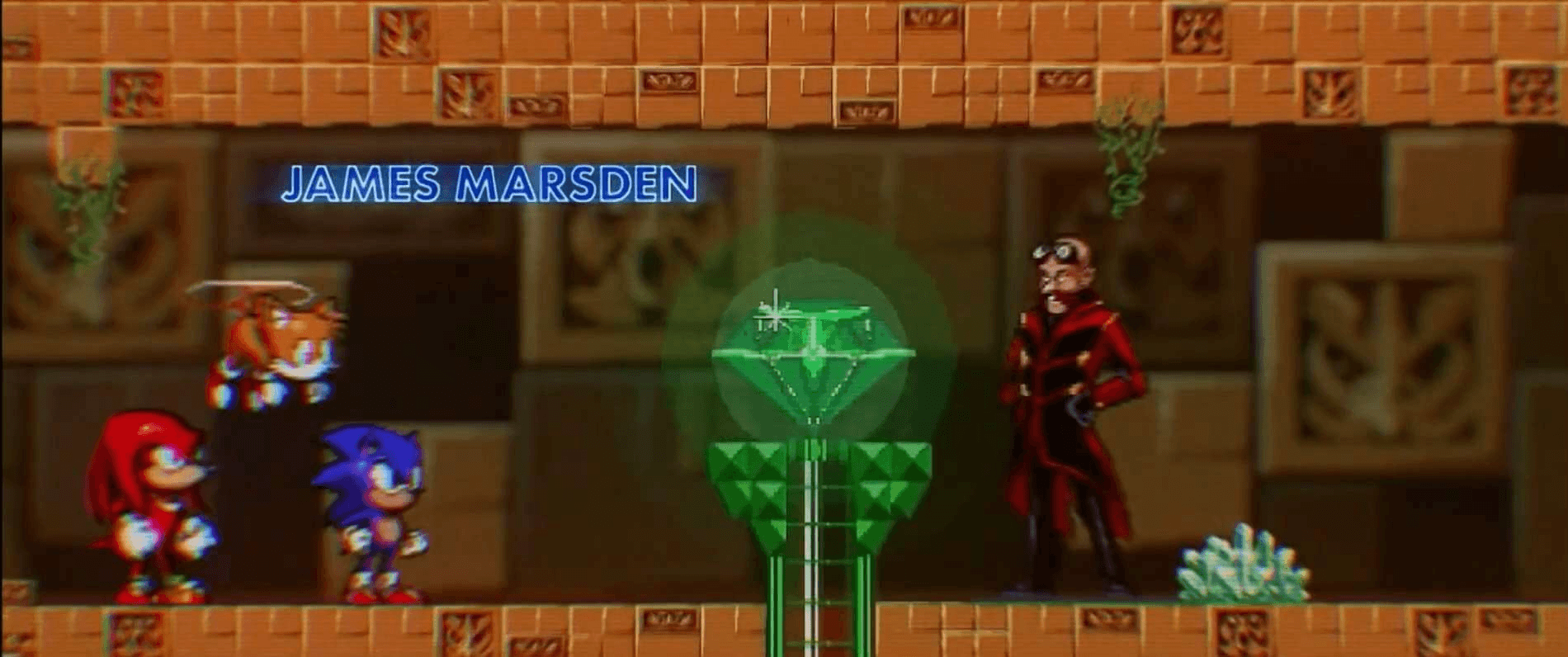
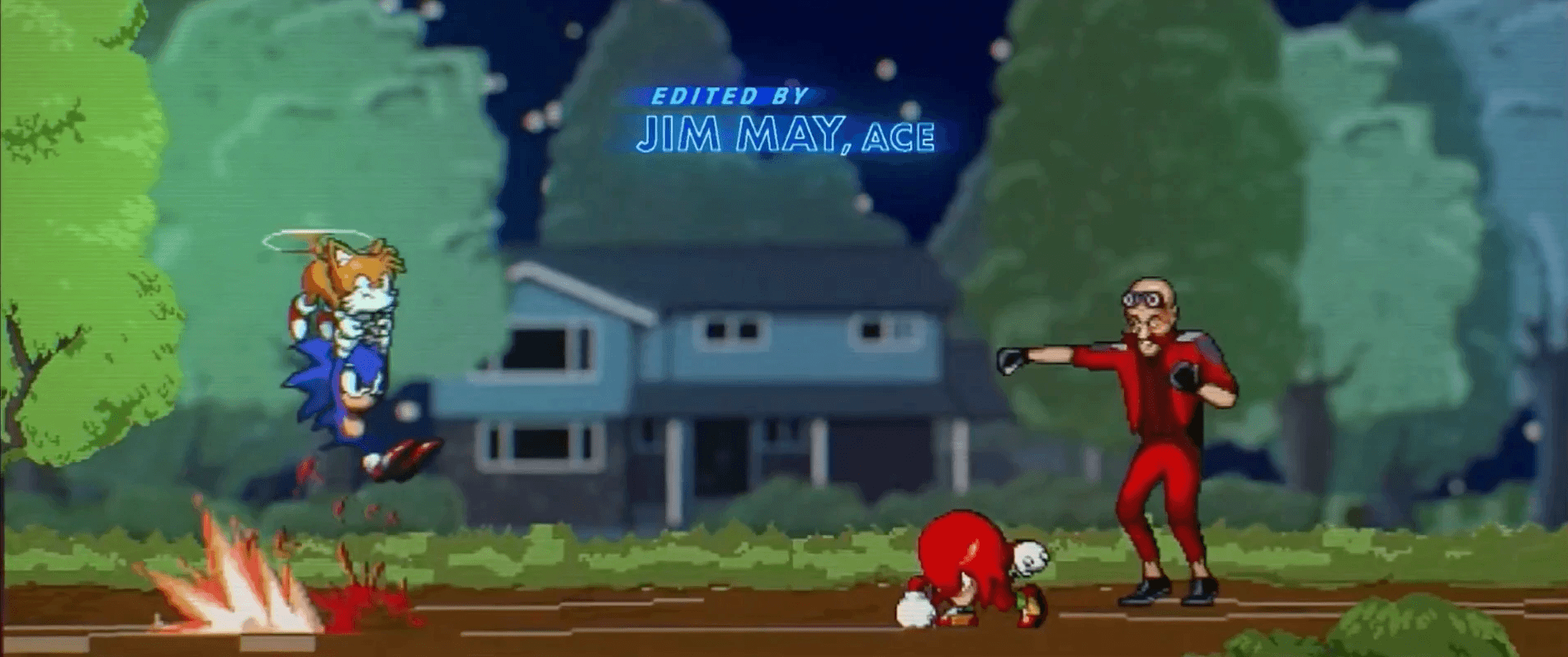
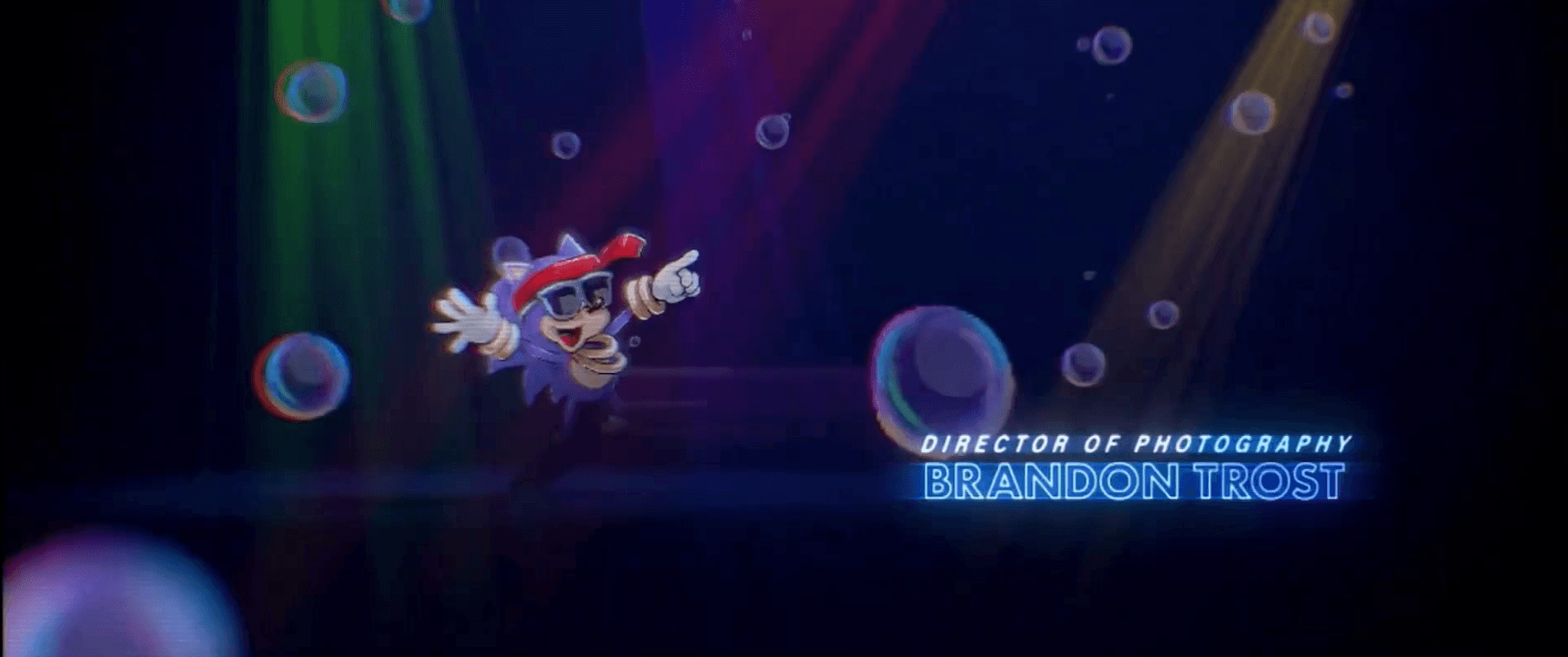
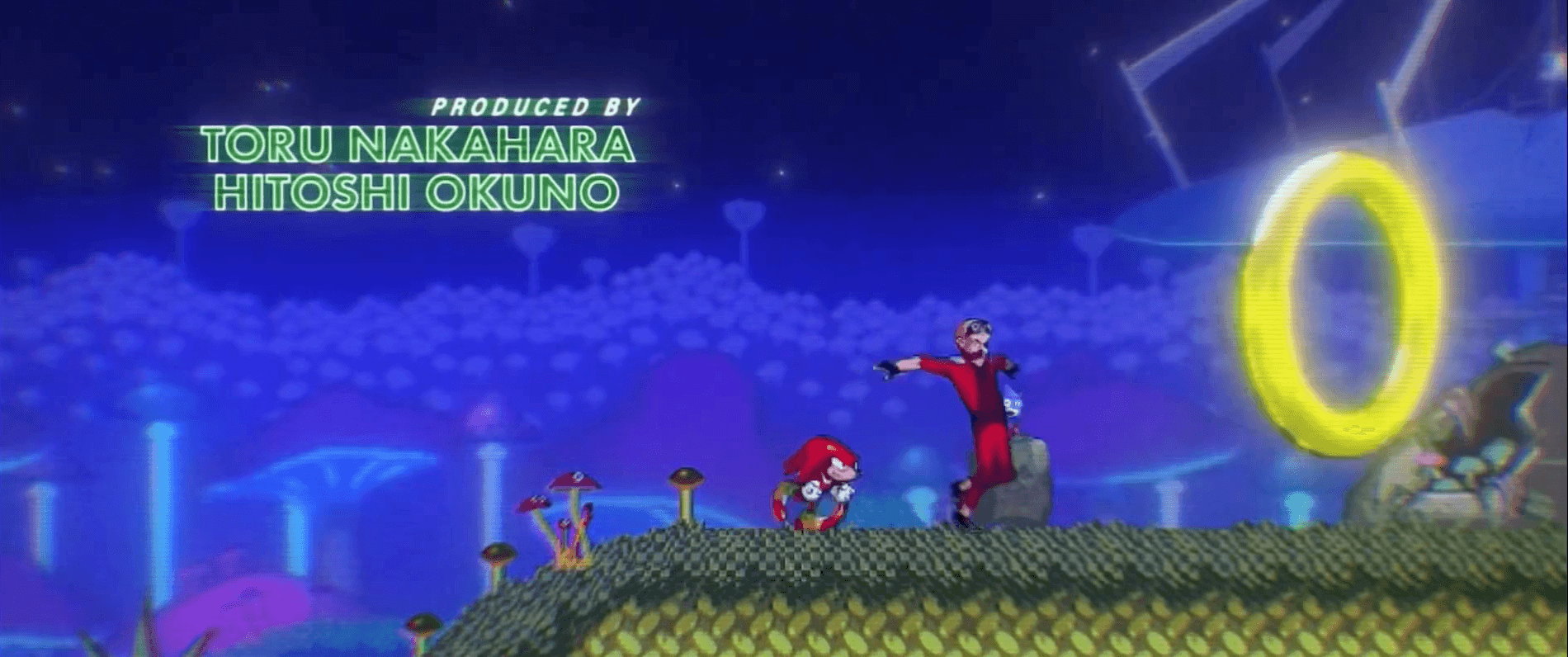
This project involved providing specialized motion and VFX support for the Sonic the Hedgehog 2 theatrical campaign. Working within a high-output studio environment, I was responsible for executing type animations for the main on end credit sequence, and screen-tracking tasks for the accompanying Kid Cudi music video that required absolute technical accuracy to meet theatrical delivery standards.
/ Credits
Client:
Picturemill
Role:
Motion Graphics, VFX Support
Tools:
After Effects, Mocha Pro, Photoshop, Illustrator
/ Year
2022
01
Theatrical Type Animation
Maintaining Technical Rigor for Global IP
I was tasked with the animation of the approved typographic systems within the main on end title sequence. While the creative direction was established, the execution required a high level of technical finish to hold up against the film's cinematic aesthetic.
Pixel-Perfect Execution: Ensured all type animation met strict resolution and color-space requirements for theatrical delivery.
Consistency at Scale: Maintained the "Sonic" visual brand across multiple title cards, focusing on precise timing and easing to "freeze" the type as it speeds past, matching Sonic's high-energy pace.
02
VFX Support: Kid Cudi "Stars In The Sky"
Screen Tracking & Technical Clean-Up
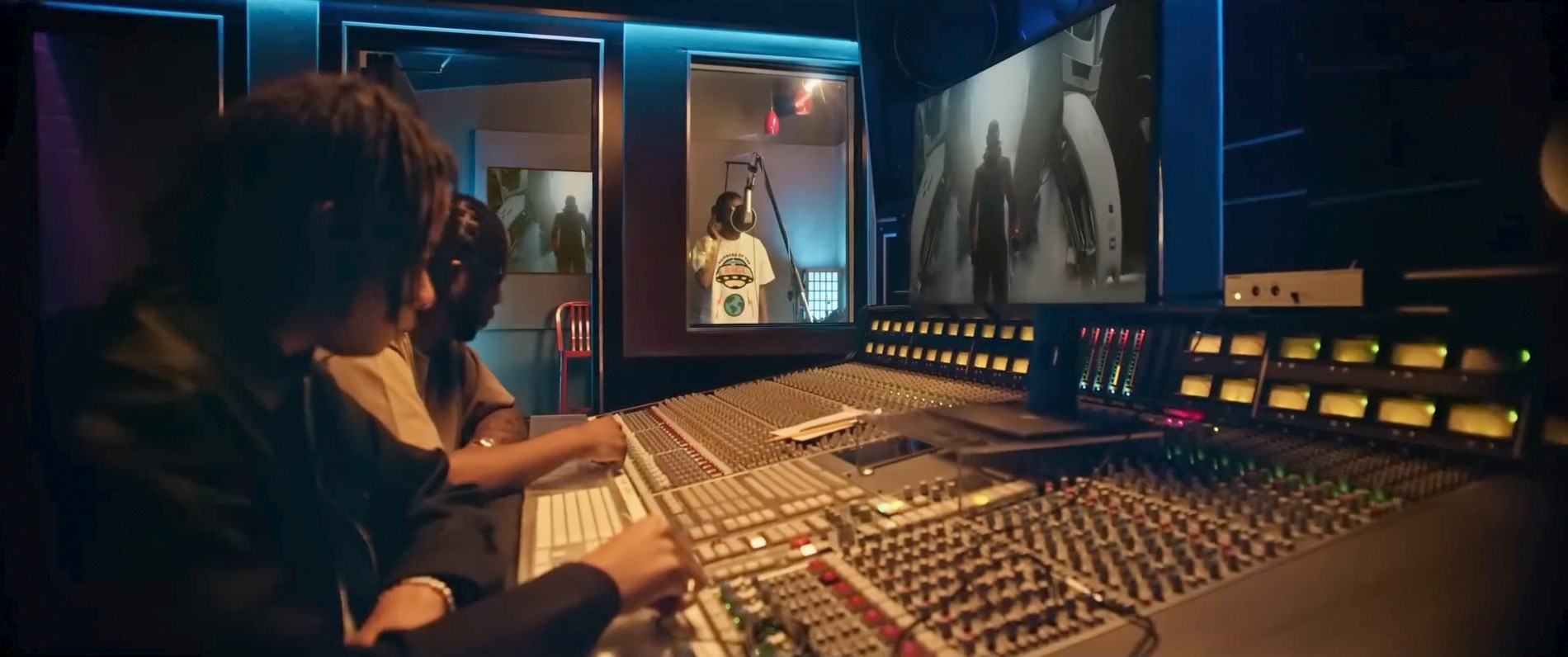
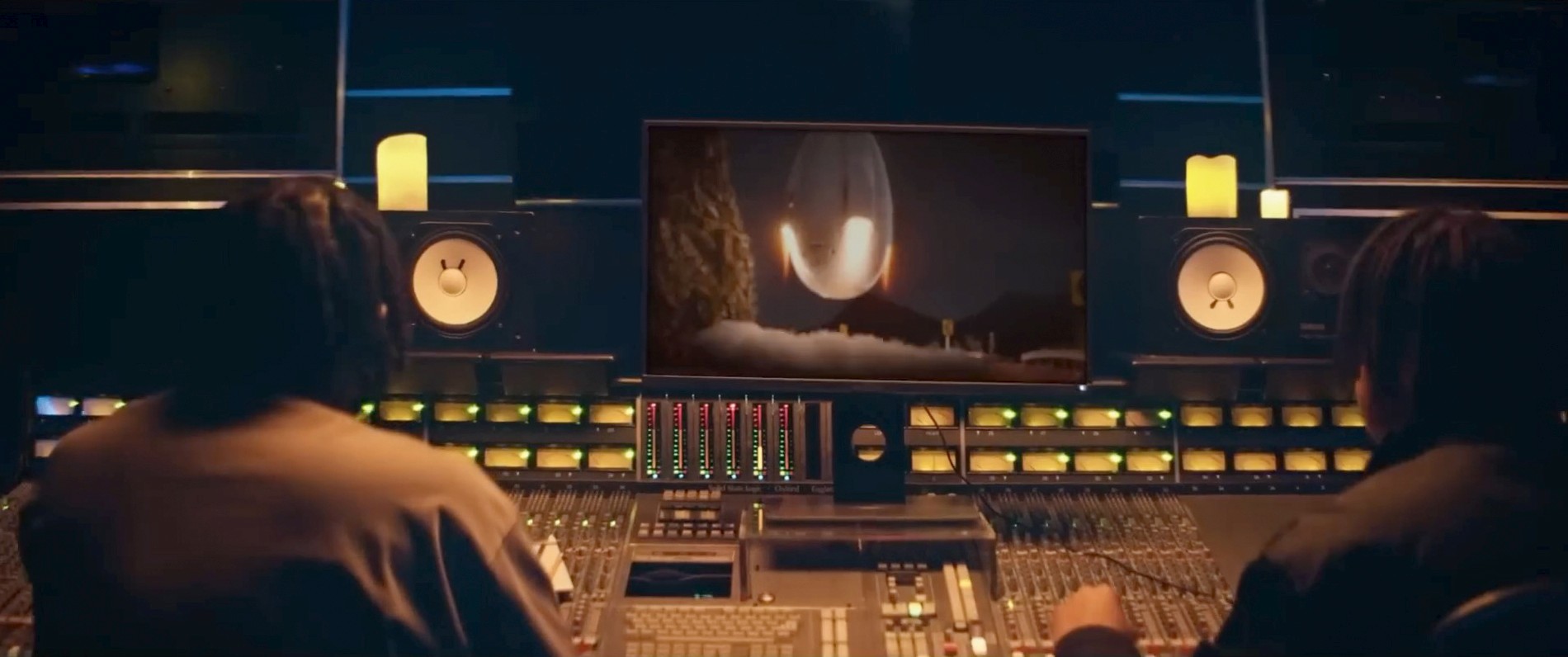
For the tie-in music video, I provided technical support through screen tracking and asset replacement. This work was focused on the "invisible" side of VFX—ensuring that digital elements felt grounded and stable within the physical environment.
Mocha Tracking: Utilized planar tracking to replace screens within the music video, ensuring perfect spatial alignment and perspective.
Technical Integration: Managed the technical details of the composite, ensuring that the replacement assets matched the lens distortion and grain of the source footage.
03
The Outcome
Execution as the Creative Act
The type animation and screen tracking shipped to theatrical delivery standards for a globally distributed release. Working inside an established design system meant the job was precision and pace, not concepting. Every title card had to hold up at scale, cut to the right timing, and feel like it belonged to the world the film built. The Kid Cudi screen replacements required the same discipline on the VFX side, tracking that disappeared completely into the footage, nothing calling attention to itself.